
Alluvial Gold Processing
Begin with gravel size, clay content, gold characteristics, water availability and the site layout. Washing intensity and separation stages need to match those conditions.
Material and goal: gravel, sand or clay-bearing feed, prepared for a suitable gold-recovery stage.
A route to review.
- 01
Review the feed
Check gravel size, clay and the expected gold characteristics.
- 02
Wash or scrub
Select the washing intensity only where the feed requires it.
- 03
Screen & classify
Prepare an appropriate feed-size range for the recovery stage.
- 04
Recover by gravity
Match the gravity equipment to prepared feed and sampling results.
Match each machine to its stage.
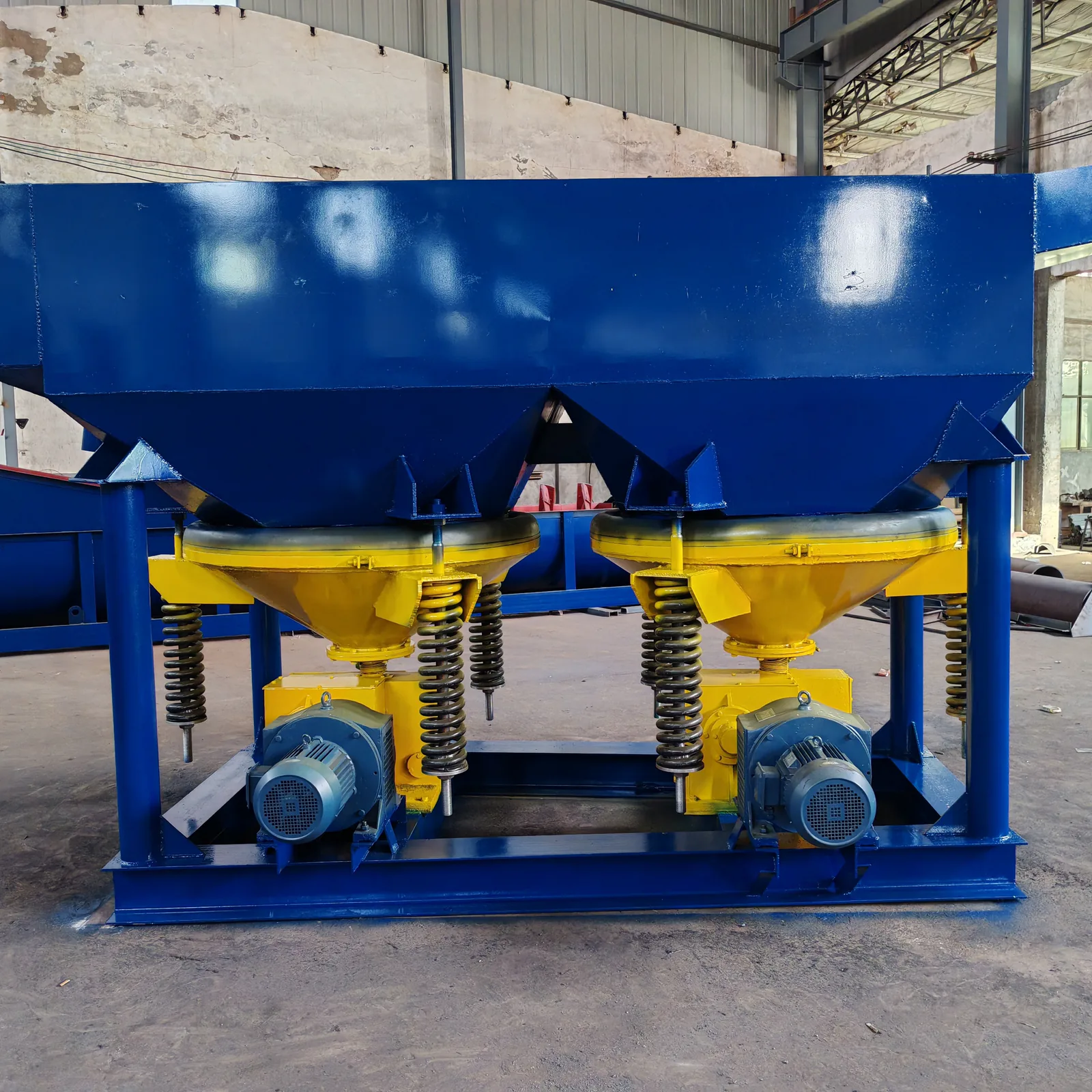
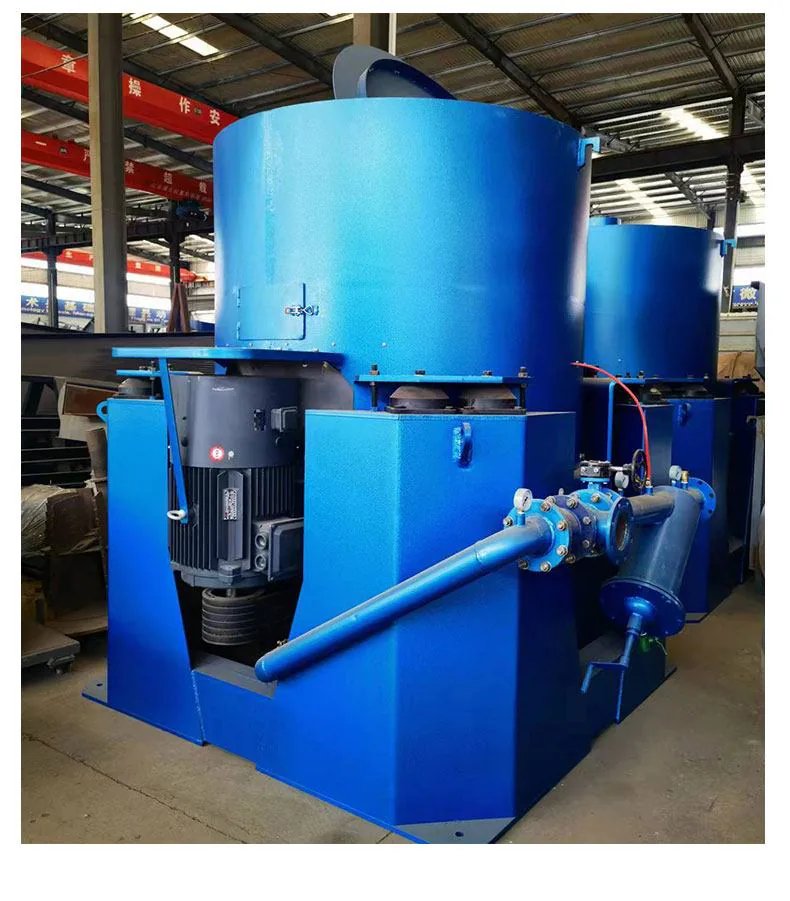
Washing and classification equipment are selected after the feed and site review.
Washing and sluice lines
Rotary trommel screens or vibrating screens combined with sluice boxes, feed hoppers, slurry pumps and water tanks. Reference configurations range from about 50 to 150 m³/h of feed. Clay content decides whether a scrubbing section is needed. Capacity is confirmed after reviewing gravel size, clay and water.
What we need to confirm.
- Gravel & feed size
- Largest particles and the overall feed-size range.
- Clay & sticky material
- Clay content and the washing or scrubbing requirement.
- Gold & test information
- Expected gold size, sampling and available recovery test information.
- Water management
- Water source, recirculation and discharge conditions.
- Capacity & operation
- Hourly target, operating hours and working arrangement.
- Power & site layout
- Available power, ground conditions and space for each stage.
Discuss your process.
Share the material, target product, capacity and site conditions.
Photos show the equipment family; the model and specifications are confirmed in the quotation.