
Primary size reduction
Use material and maximum feed dimensions to discuss the first crushing stage.
Review your material, feed size and downstream process before choosing a crusher configuration.
Photos show the jaw crusher family. They do not identify a specific PE150×250 model.
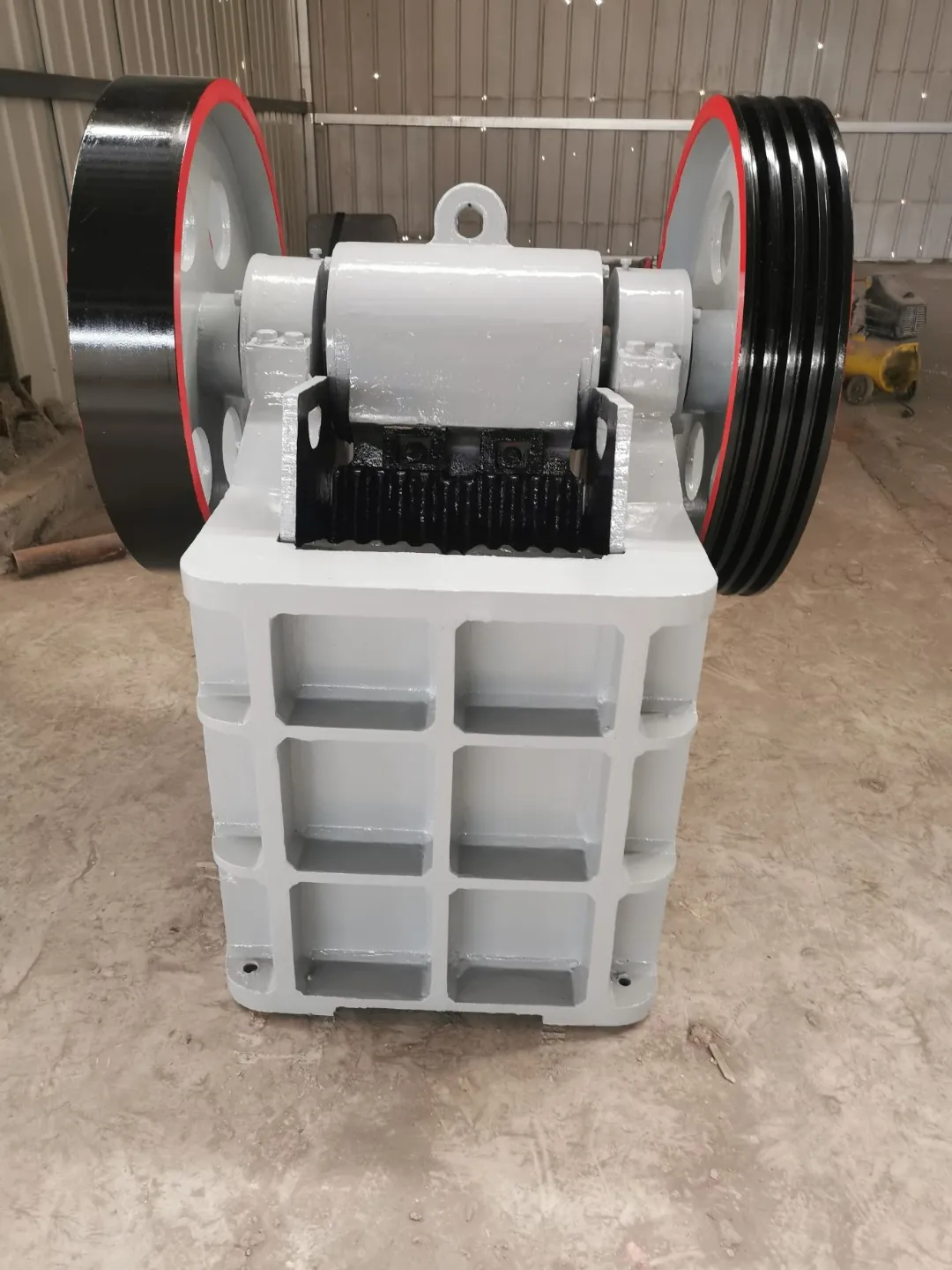
Start with the role of the crushing stage.
Use material and maximum feed dimensions to discuss the first crushing stage.
Review the size reduction needed before separating the required fractions.
Explore screeningConsider crushing as preparation for grinding or the next process stage.
Explore process paths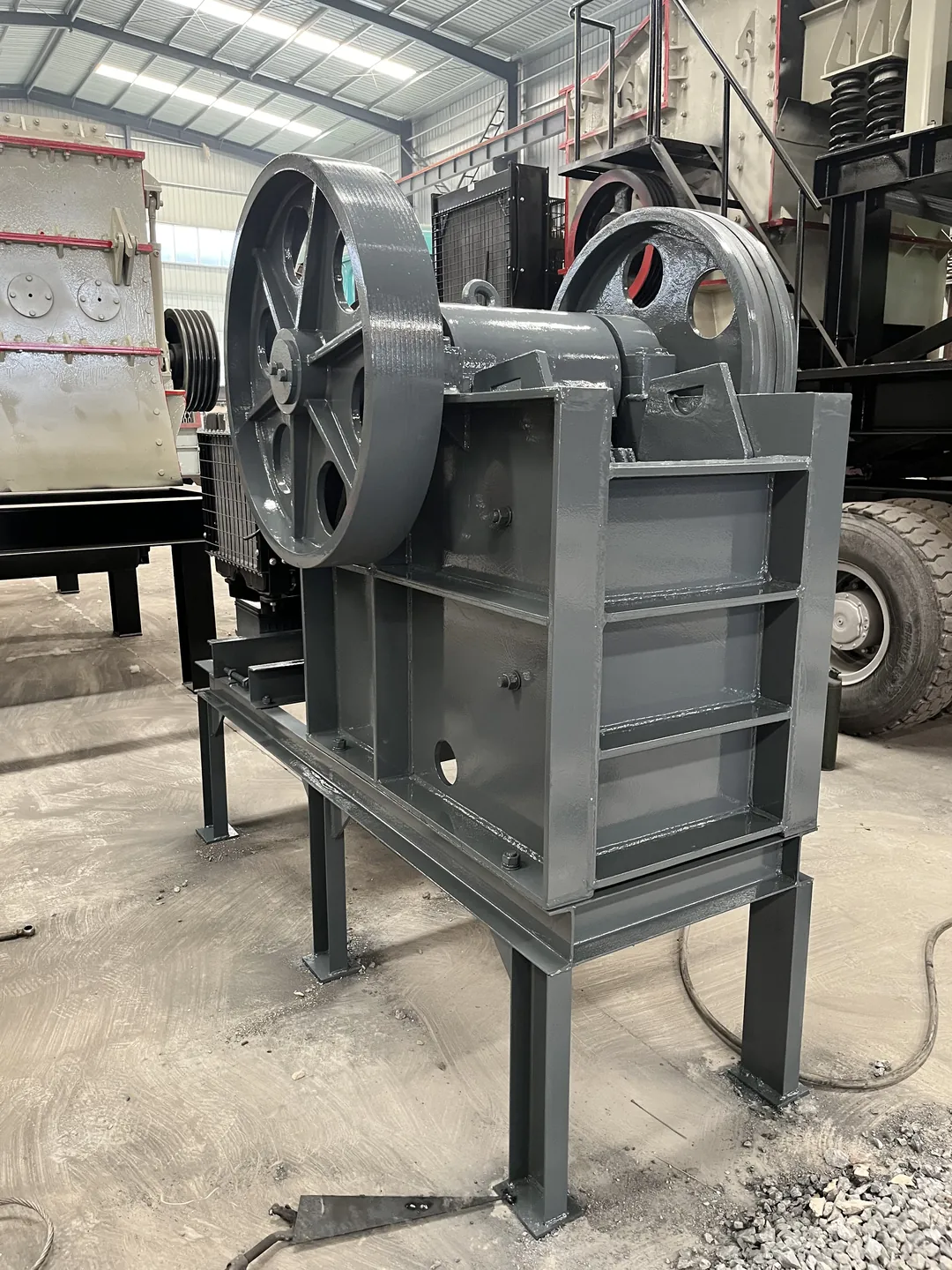
A jaw crusher uses compressive action. The visible details support the selection discussion; they are not a model specification.
Confirm the largest feed dimension and material condition before selecting the opening and configuration.
Review the drive arrangement, installation space and access for operation and maintenance.
A recommendation starts with your material and operating requirements.
View the project checklistDescribe the material or ore, hardness information and moisture.
Provide the maximum feed dimension and typical size range.
List the output sizes needed for the next process or end use.
Share your target capacity and operating hours.
Confirm voltage, frequency and available power.
Share the country, installation space, access and layout constraints.
Visit the separate model reference page for its verified information.
The family photos above are not labeled as PE150×250. Keep model-specific information separate when comparing equipment.
View the PE150×250 reference Read the jaw crusher selection guideThe clip shows crusher bodies, flywheels and surrounding prepared equipment. Ask for photographs and drawings of your selected model, including the motor, belt guards and mounting arrangement.
Share feed size, target product and required throughput to begin.
sales@higongyi.com